How to Tell if a TV Show Is Overstimulating: 5 Key Signs Parents Should Know
Learn 5 signs your child is overstimulated by TV shows. Discover which shows cause overstimulation & how to choose calmer content.
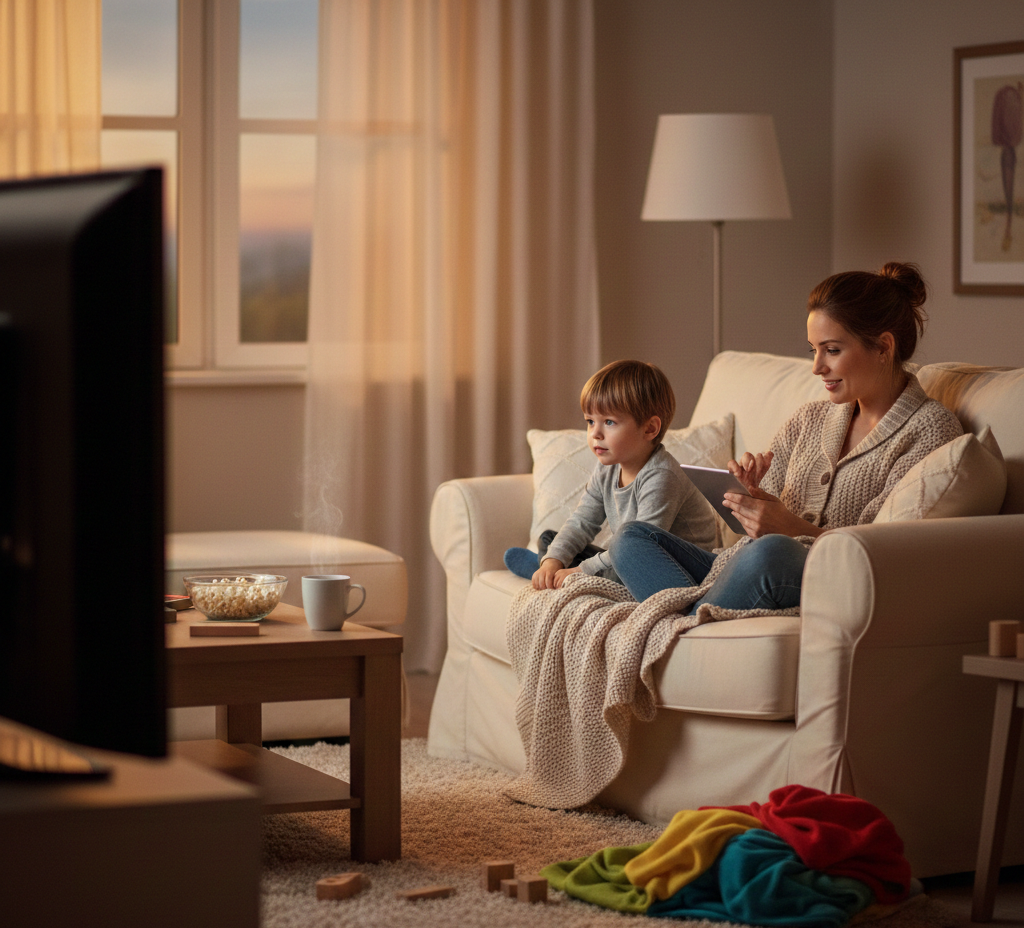
Introduction: What Is Overstimulation?
Overstimulation happens when a child takes in more sensory input than they can comfortably process in the moment. On screen, this often means rapid cuts, loud effects, constant movement, and little time to recover between scenes. Some children can watch energetic content and transition easily, while others become dysregulated, clingy, hyperactive, or emotionally overloaded. It is not about "good" or "bad" parenting. It is about fit: finding content that matches your child's current nervous system needs, age, and temperament.
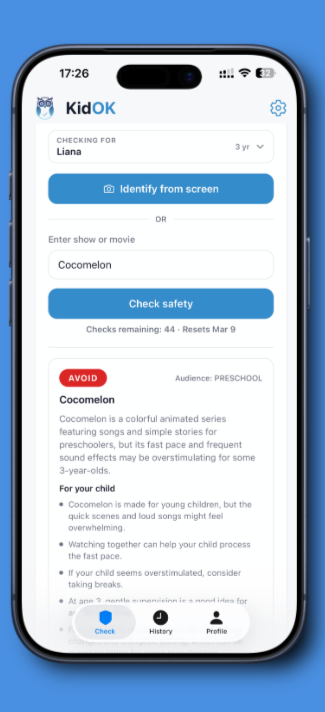
Families do not need to remove screens completely to protect attention and mood. You can make practical choices by identifying early warning signs, adjusting pacing, and testing shows before making them part of your routine. If you want a quick way to screen content before playtime, Learn how Kidok works and use it as a fast pre-check. The guide below gives you clear signals to watch for and concrete ways to choose calmer options that still keep children engaged.
5 Key Signs a TV Show Is Overstimulating
Look for patterns during and after viewing rather than one isolated tough moment. Most overstimulation shows up as harder transitions, higher emotional reactivity, and reduced ability to return to quiet play. These signals are useful because they focus on your child's response, not a show's popularity.
- They melt down when the episode ends or when you pause it
- They seem wired, irritable, or impulsive right after watching
- Independent calm play drops compared with non-screen days
- Bedtime takes longer because their body still feels "on"
- They demand immediate repeat viewing and struggle to disengage
If you consistently notice three or more of these signs, treat it as a signal to lower intensity. Try slower content, shorter sessions, and earlier cutoffs before bedtime, then observe whether transitions and mood improve over the next week.
Which Shows Are Most Overstimulating
The most overstimulating programs usually share a few traits: very fast editing, frequent visual scene changes, loud layered audio, and constant novelty with little downtime. Highly stimulating videos can feel exciting, but for many toddlers they create a sharp contrast with real-world pace, making normal activities seem "too slow" immediately after viewing. Competitive reaction videos, rapid-fire nursery compilations, and some hyper-edited preschool channels often trigger this pattern.
This does not mean every child reacts the same way to every title. Context, timing, and total screen load matter. One helpful approach is to assess known high-energy series first and compare behavior with calmer alternatives during the same week. If you are evaluating one of the most discussed examples, Read our full analysis of Cocomelonto see what pacing and sensory factors to watch.
How to Choose Low-Stimulation Shows
Low-stimulation choices usually have slower pacing, longer scenes, gentler music, and a predictable story arc. Start by previewing five minutes on your own. If your first impression feels noisy or frantic, trust that signal. Then run a short child test: one episode followed by a transition to snacks, books, or outdoor play. Track how easy that transition feels. If resistance spikes, downgrade intensity and retest.
You can also improve results by adjusting timing and structure. Keep sessions shorter for toddlers, avoid high-energy content near bedtime, and pair viewing with a grounding routine such as water, stretching, or a simple puzzle. If you need ideas to start from, the best low-stimulation shows for toddlersis a practical shortlist with calmer options to try next.
How Kidok.app Helps
Kidok.app helps parents reduce guesswork before pressing play. Instead of relying on thumbnails or platform age labels alone, you can review a concise content safety summary and decide whether a show fits your child's current sensory needs. This is especially useful on busy days when you need a fast confidence check and do not have time for a full episode preview.
Many families use Kidok as part of a simple routine: check the title, choose a calm option, set a clear end point, and transition into an offline activity. Over time, this consistency can lower screen-time power struggles and help children recover faster after viewing. The goal is not perfection. The goal is stable mood, smoother transitions, and better alignment between media choices and your child's developmental rhythm.
FAQ
What is overstimulation in children?
Overstimulation is a state where a child's brain receives more sensory input than it can regulate comfortably. It often appears as irritability, restlessness, poor transitions, or emotional outbursts after intense content.
How long does overstimulation last?
It can last from a few minutes to several hours depending on your child, the intensity of the content, and fatigue level. A quiet environment, hydration, movement, and predictable routines usually shorten recovery time.
Which TV shows are most overstimulating?
Shows with rapid scene cuts, loud overlapping sounds, flashing visuals, and nonstop novelty tend to be the most overstimulating for young children. Fast-paced compilations and hyper-edited preschool videos are common examples.
How can I help my child after overstimulation?
Turn off screens, reduce noise, and offer a calm transition activity such as reading, drawing, or outdoor play. Keep your voice steady, lower demands briefly, and use consistent routines so your child can re-regulate more easily.