Overstimulation in Children: Complete Guide to Signs, Causes & Solutions
Complete guide to child overstimulation: Learn the warning signs, what causes it, and proven solutions to help your child regulate emotions and behavior.
Introduction
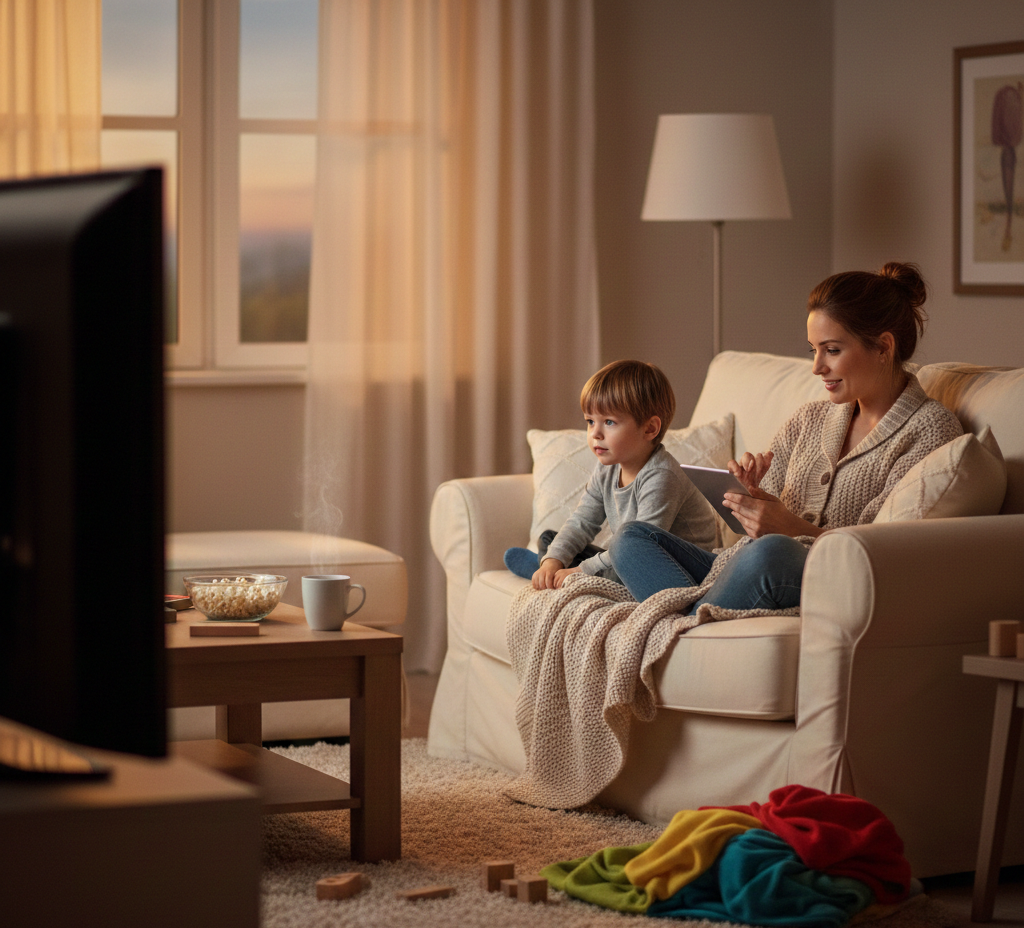
Your toddler just watched 20 minutes of a colorful cartoon and now they are bouncing off the walls, cannot focus, and will not calm down. Sound familiar? That is overstimulation. It can look like hyperactivity, whining, aggressive behavior, or total emotional collapse over a small request. Many parents experience this pattern but do not have language for it, so they assume the child is being defiant or difficult. In reality, the child may be neurologically overloaded.
Overstimulation is one of the most misunderstood parenting challenges today. The environment around children is intense: faster media, noisier settings, tighter schedules, and constant transitions. Without a clear framework, parents are left reacting to symptoms instead of solving causes. When you can identify overstimulation early, you can prevent meltdowns, improve sleep, reduce conflict, and teach better emotional regulation over time.
In this complete guide, you will learn what overstimulation is, why it happens, what signs to watch for, what to do in the moment, how to prevent repeat episodes, and when to seek professional support. At KidOK, we help parents evaluate media choices quickly, but that only works when families understand the underlying pattern first. KidOK helps parents understand which content is right for their childrenso they can make calmer decisions before stress escalates.
What Is Overstimulation?
Overstimulation occurs when a child receives more sensory input than their developing brain can process at one time. That input can be visual, auditory, tactile, emotional, or social. A simple way to explain it is the cup analogy: when the cup is full, adding more water causes overflow. A child's sensory system works the same way. Once input exceeds capacity, behavior changes quickly.
Children are especially vulnerable because the brain systems responsible for filtering, planning, and emotional control are still developing. The prefrontal cortex, which supports self-regulation, matures slowly into early adulthood. Young children, especially under age five, often cannot self-regulate when overload starts. Their body shifts into a stress state, with increased cortisol and adrenaline, which can look like hyperactivity, impulsivity, aggression, or shutdown.
This is why overstimulation is not just being tired or cranky. It is a nervous-system response to excessive input. Understanding that distinction changes parenting strategy. Instead of punishment, the child needs help downshifting. Instead of lectures, the child needs lower stimulation, physical safety, and time to recover.
- Acute overload during an event: usually 15 to 30 minutes
- Residual effects after the trigger is removed: 30 minutes to hours
- Bedtime disruption if overstimulated late: may affect the full night
- Recovery speed varies by age, sensitivity, sleep, and health
Evidence-informed parenting organizations consistently recommend a quality-first approach to stimulation, with special caution around intense media and late-day sensory load. AAP media guidance, pediatric fast-paced media research, and APA stress education resourcessupport this model.
Common Causes of Overstimulation
Screen Time and Media
Screen-based content is one of the most common triggers because it is engineered for engagement, not regulation. Fast-paced shows, autoplay feeds, short-form video loops, and high-intensity games all compete for attention using quick scene changes, bright color contrast, movement, and layered sound. A show that cuts every few seconds does not give a young brain enough time to process one scene before the next arrives.
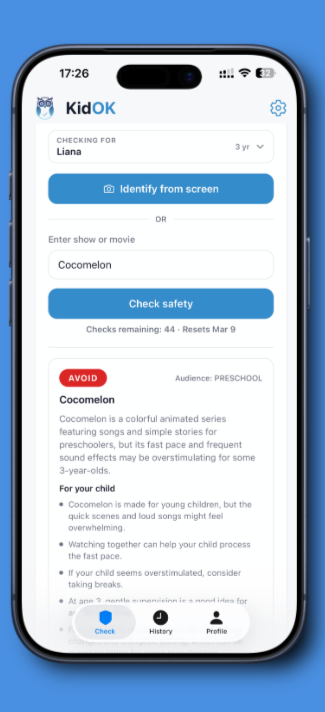
This is why a child may seem calm while watching but dysregulated right after. The nervous system has been loaded continuously and then suddenly loses the stimulus. One parent in our community described her 3-year-old taking hours to settle after fast cartoons, even though daytime behavior looked fine until screens ended. If media intensity is your likely trigger, Read our detailed analysis of Cocomelon and overstimulationfor a concrete example.
Loud Environments
Busy restaurants, shopping centers, birthday parties, and crowded playgrounds can overwhelm children who cannot filter background noise like adults do. Multiple conversations, music, and movement compete for attention at once. In these settings, every sound can feel equally urgent, so the brain remains on high alert.
Too Much Activity Without Recovery
Back-to-back transitions without downtime can overload even resilient children. School, sports, lessons, errands, and social events may each be manageable alone, but together they create cumulative sensory strain. Children need space between demands to reset attention and mood.
Sensory Overload in the Physical Environment
Bright lights, flicker, strong smells, scratchy fabrics, visual clutter, and crowded toy spaces can all contribute. Some children have higher sensory processing sensitivity, so seemingly small environmental factors become major stressors.
Emotional Triggers
Conflict, routine changes, illness, hunger, fatigue, and separation stress increase baseline reactivity. Emotional stress plus sensory load often produces a double-hit effect. The same environment that is manageable on a calm day may feel intolerable on a stressful day.
10 Warning Signs Your Child Is Overstimulated
Use this list as a real-time screening tool. Signs are grouped by timing, because overstimulation does not always peak during the trigger itself.
Immediate Signs (during or right after exposure)
- Hyperactivity or restlessness: running, climbing, fidgeting, and nonstop movement without clear purpose. This often tracks with elevated stress hormones.
- Difficulty focusing: inability to follow simple instructions or stay with one calm activity. The brain remains in alert mode.
- Irritability and whining: fast frustration over minor issues, persistent complaining, or low tolerance for normal limits.
- Aggression or tantrums: hitting, yelling, throwing, pushing, or explosive behavior when stimulation ends.
- Excessive noise-making: loud talking, repetitive sounds, or verbal overdrive because sensory output is no longer regulated.
Delayed Signs (hours later)
- Sleep difficulties: cannot fall asleep, frequent waking, or restless sleep despite visible fatigue.
- Emotional crashes: crying over small events, mood swings, or intense reactivity late in the day.
- Transition resistance: meltdowns between routine tasks, especially when changing context quickly.
Long-term Pattern Signs (if episodes are frequent)
- Shortened attention span for calm tasks: increased need for high novelty and lower tolerance for reading or quiet play.
- Behavioral strain: rising defiance, social withdrawal, anxiety, or repeated conflict around boundaries.
If several of these patterns cluster around the same trigger, do not wait for bigger incidents before intervening. Learn more about recognizing overstimulation signsand use that checklist as a practical extension.
Immediate Solutions: What to Do When Your Child Is Overstimulated
The goal is regulation first, reflection second. In overload states, children are not ready for discipline lectures or complex reasoning.
Step 1: Remove the stimulus immediately
Turn off the screen, leave the noisy room, stop the activity, and reduce demands. Do this in the first minute. Delays prolong escalation.
Step 2: Create a calm environment in the next 5 minutes
Move to a quiet, dim space. Reduce light, sound, and visual clutter. Remove secondary stimuli like background TV and bright devices. The nervous system needs less input before it can recover.
Step 3: Use grounding techniques for 5 to 15 minutes
- Guided breathing: inhale 4, hold 4, exhale 4 while you model calmly.
- Progressive muscle release: tense and relax from toes to shoulders.
- Five senses check: name 5 seen, 4 touched, 3 heard, 2 smelled, 1 tasted.
- Physical comfort if welcomed: gentle hold, rocking, blanket pressure.
Step 4: Offer low-intensity comfort items
A familiar toy, blanket, warm water, or soft background noise can support recovery without adding stimulation. Keep choices simple.
Step 5: Do not punish while dysregulated
Punishment increases stress chemistry and usually extends the episode. A dysregulated child needs co-regulation, not consequences in that moment. Boundaries can still be reinforced later.
Step 6: Wait before discussing behavior
Give at least 30 minutes after calm returns before talking about what happened. Once regulation is restored, use brief reflective language and a concrete plan for next time.
Timeline summary:
- 0 to 5 minutes: remove trigger and reduce input
- 5 to 15 minutes: grounding and co-regulation
- 15 to 60 minutes: recovery monitoring and gentle comfort
- 60+ minutes: reflective conversation and prevention planning
Long-Term Solutions: Preventing Overstimulation
1. Manage screen intensity and timing
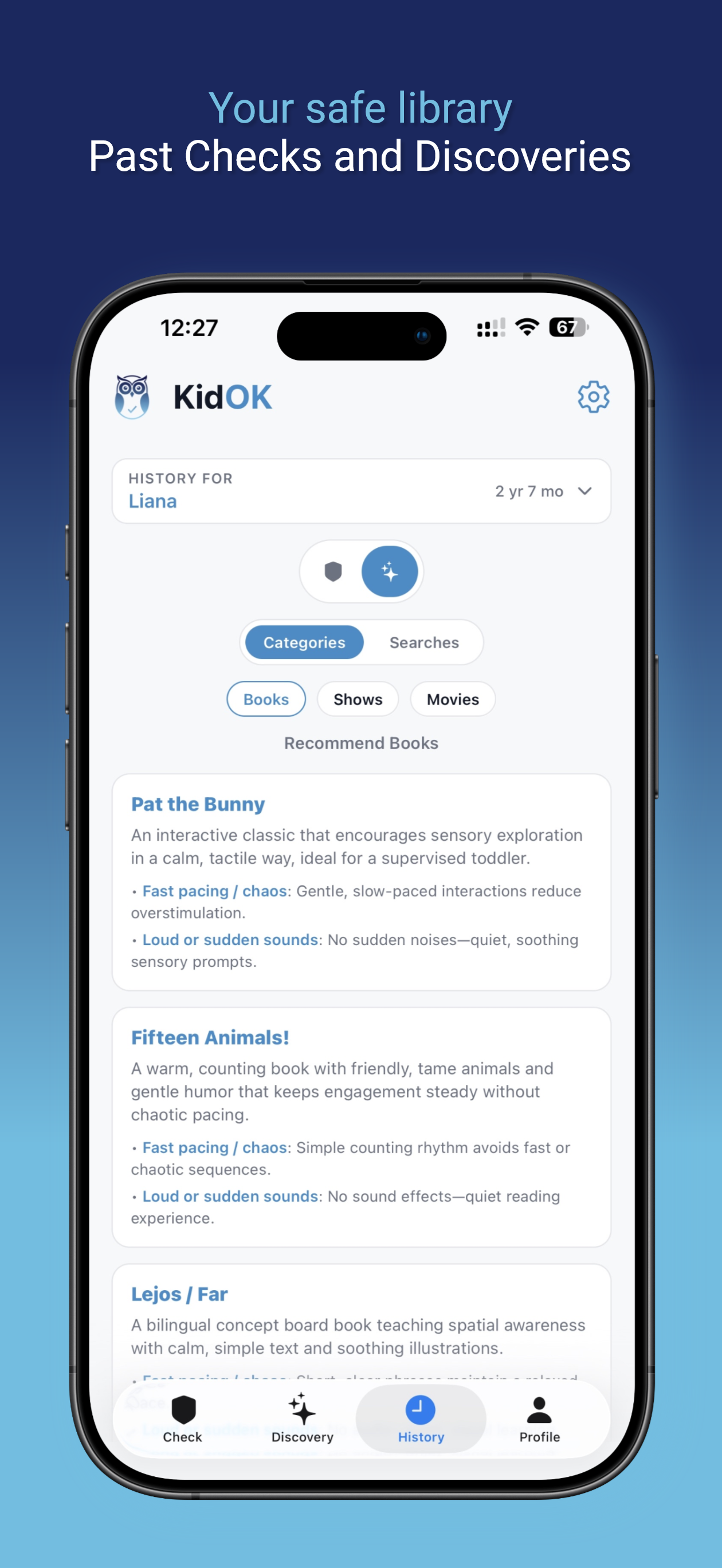
Set predictable limits for young children, prioritize lower-intensity programs, and avoid high-arousal media before bed. Co-view when possible so you can pause and process content together. Check out our guide to low-stimulation showswhen you need calmer options.
2. Build a calmer home baseline
Reduce clutter, simplify toy rotation, keep lighting warm, and limit nonstop background noise. A calmer baseline lowers sensitivity to routine daily demands.
3. Protect downtime between activities
Avoid packing every hour with transitions. Add buffer periods after school and after social events so the nervous system can reset.
4. Use predictable routines and transition cues
Visual schedules, five-minute warnings, and consistent sequence patterns reduce uncertainty, which lowers cognitive and emotional load.
5. Track your child's triggers
Keep a simple log: trigger, behavior, recovery duration, and time of day. Patterns become clear quickly and let you personalize prevention.
6. Teach regulation skills during calm moments
Practice breathing, emotion labeling, and body-awareness games when your child is stable. Skills learned during calm states transfer better during stress.
7. Cover basic regulation needs first
Sleep debt, hunger, and low physical activity increase vulnerability. Consistent meals, movement, hydration, and outdoor time improve resilience.
8. Add positive sensory activities
Calming sensory routines such as warm baths, soft textures, gentle music, yoga, swimming, and nature walks help rebalance nervous-system load over time.
Personalization matters more than perfection. Some children regulate best with movement first and quiet time second, while others need silence and low light before they can engage again. Test one change at a time for one to two weeks, measure sleep and transition quality, then keep what works. A child who struggles in one season may improve dramatically when routines, schedule intensity, and content choices are adjusted consistently.

Special Situations
Overstimulation at school or daycare
Share specific triggers with teachers, request planned breaks, and align home-school calming strategies. A coordinated plan prevents mixed signals and improves consistency.
Holidays, parties, and high-noise events
Prepare your child in advance, set time limits, identify quiet escape spaces, and bring comfort items. Leaving early can be a regulation strategy, not a failure.
Children with autism or ADHD
These children often have higher sensory sensitivity and slower recovery. Prevention is more important than reaction. Collaborate with therapists on individualized sensory and transition plans.
Sensory processing sensitivity traits
Some children are naturally more sensitive to input. This is a trait, not a character flaw. Respecting sensitivity and planning recovery time helps these children thrive.
Anxiety or trauma-related reactivity
Anxiety and trauma can lower tolerance for sensory load. If symptoms are persistent or severe, involve a mental health professional and use a trauma-informed regulation plan.
When to Seek Professional Help
Consult a professional if episodes are frequent despite prevention, recovery times keep getting longer, school or relationships are affected, or your child shows persistent anxiety, sadness, or major sleep problems. Also seek evaluation if you suspect sensory processing challenges or if your child has existing diagnoses such as autism, ADHD, or anxiety and current strategies are not enough.
Start with your pediatrician, then consider child psychology, occupational therapy, speech-language support, or developmental pediatrics based on symptoms. Professional evaluation can identify underlying factors and give you a personalized intervention plan.
Seeking help is a strength. You do not need to solve this alone, and early support usually improves family stress and child outcomes.
FAQ
Q: Is overstimulation the same as being tired?
No. A tired child is cranky and wants to sleep. An overstimulated child is hyperactive, cannot focus, and often cannot sleep despite being exhausted. Overstimulation is a neurological response to too much sensory input, not just fatigue.
Q: Can overstimulation cause long-term damage?
Occasional overstimulation is usually not harmful. Chronic daily overstimulation may affect attention, sleep, and emotional regulation, which is why prevention matters. With consistent management and support, long-term outcomes are generally positive.
Q: Is my child overstimulated or just misbehaving?
Sudden behavior shifts after a trigger usually suggest overstimulation. Persistent behavior patterns across contexts may involve additional factors. Overstimulated children typically improve when sensory load is reduced and calming techniques are used.
Q: How long does overstimulation last?
Acute overload often lasts 15 to 30 minutes. Residual effects can last 30 minutes to several hours. If the trigger happens near bedtime, sleep disruption can last the whole night.
Q: Can I prevent overstimulation completely?
No. Children need stimulation to learn and grow. The goal is to reduce unnecessary high-intensity load and build reliable regulation routines.
Q: Is overstimulation more common in certain children?
Yes. Children with autism, ADHD, anxiety, and sensory processing sensitivity are often more vulnerable. But any child can become overstimulated in the wrong environment.
Q: What is the difference between overstimulation and a meltdown?
Overstimulation is the cause. A meltdown is one possible response when regulation capacity is exceeded. Separating cause from behavior helps parents respond with compassion and strategy.
Q: Can overstimulation affect sleep?
Yes. Stress hormones can keep the body alert after the trigger is gone, which delays sleep and increases night waking. This is why reducing stimulation before bed is so effective.
Q: How can KidOK help with overstimulation?
KidOK rates shows, movies, YouTube videos, and games for overstimulation risk. You can check content before playtime and choose options that match your child's sensitivity.
Q: Is it bad to let my child watch stimulating content sometimes?
No. Occasional high-energy content is usually fine. Problems happen when it becomes the daily default or replaces sleep, outdoor play, and calm family routines.
How KidOK Helps
You now understand overstimulation and the prevention framework. The next challenge is decision speed. Parents often do not have time to read long reviews or preview every show, video, and game before children ask to watch. KidOK is designed to solve that gap by giving clear, fast guidance before exposure happens.
KidOK provides detailed content ratings, overstimulation risk levels, age-appropriateness guidance, and specific warnings such as rapid cuts, bright visual intensity, and loud audio layering. You can search a title, review risk in seconds, and choose confidently based on your child's sensitivity profile. We have worked with thousands of parents navigating overstimulation, and parents using KidOK routinely report smoother transitions and fewer bedtime conflicts when they pre-screen content.
Download KidOK today and take control of your child's media choices. Download on theApp StoreGet it onGoogle Play
Conclusion
Overstimulation is a real neurological response to too much sensory input. It is not your child's fault, and it is not your fault either. With the right approach, you can reduce episodes, shorten recovery, and help your child build stronger emotional regulation over time.
Start with one practical change this week: lower screen intensity, add post-activity quiet time, or practice a two-minute breathing routine when your child is calm. Small adjustments are often enough to create visible progress. Every child is different, so tailor the plan to your child's patterns and keep improving from there.
This guide is based on research and expert opinion. Always consult your pediatrician for personalized advice about your child's specific needs.