Is CoComelon Bad for Toddlers? A Parent-Friendly Breakdown
A calm, practical look at overstimulation, why CoComelon gets criticized, and how to choose what works for your family.
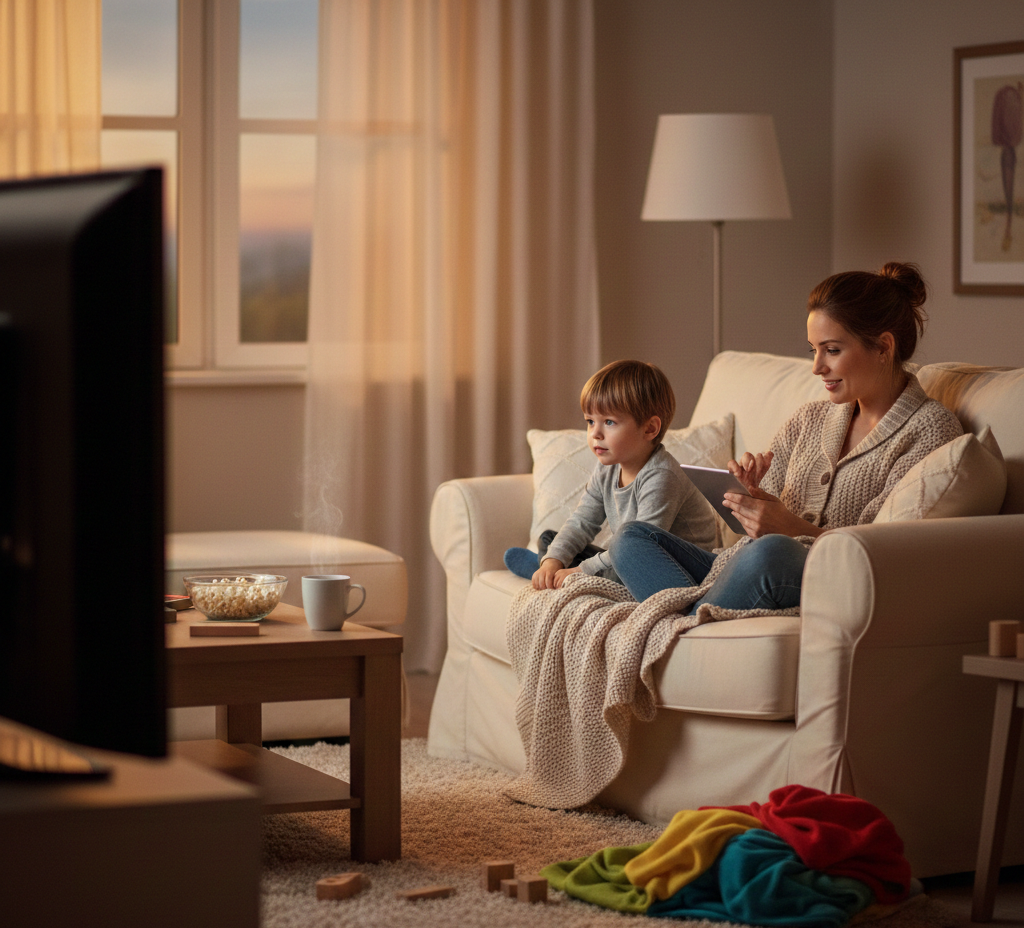
If you are wondering whether CoComelon is “too much” for your toddler, you are not alone. Many parents use screens sometimes, especially on busy days, during travel, or when everyone needs a reset. The goal is not to be perfect. It is to make choices that feel steady and supportive for your child and your family.
This article is a neutral, parent-friendly breakdown. We will explain what overstimulation means, why CoComelon is often criticized, what signs you might notice after viewing, and a few calmer alternatives. We will also share quick tips for choosing shows and mention how the KidOK app can help you check a show before pressing play.
What “overstimulation” means for toddlers
Overstimulation happens when a child’s brain gets more sensory input than it can comfortably process. For toddlers, this can mean fast visuals, rapid scene changes, loud or high-energy audio, and constant novelty. A little excitement is normal. The issue is when content is so intense that a child has trouble settling after it ends.
Every child is different. Some toddlers handle energetic shows without issue. Others are more sensitive and may feel dysregulated after high-intensity content. There is no single “right” answer. The goal is to understand what your child needs and choose accordingly.
Why CoComelon is often criticized
Parents and child development experts often point to a few common features that can make CoComelon feel stimulating. These features are not automatically harmful, but they can be a lot for some toddlers.
- Fast scene changes and constant motion
- High-energy songs, sound effects, and bright colors
- Frequent attention grabs that make it hard to look away
CoComelon is designed to be engaging. It uses rhythm, repetition, and bright visuals to keep a child’s attention. For some toddlers, that level of stimulation can make transitions harder and can lead to extra crankiness afterward.
Signs you might notice after watching
The best way to tell if a show is too intense is to watch how your child behaves afterward. Here are common signs parents report when a show feels overstimulating.
- Difficulty transitioning to the next activity
- Increased whining, irritability, or hyperactivity
- Shortened attention span for quieter play
- Struggling to settle at bedtime after evening viewing
- Meltdowns when the show ends
None of these are “bad parenting.” They are signals. If you notice a pattern, you can try a calmer show, shorten screen time, or move viewing earlier in the day.
Calmer alternatives that many families like
Some parents prefer slower-paced shows with gentler audio and fewer scene changes. Here are a few commonly recommended options.
- Trash Truck
- Little Bear
- Paddington
- Bluey (often calmer, though some episodes are faster)
These shows tend to use softer colors, longer scenes, and calmer music. They may still be fun, but they feel less “intense” to many toddlers.

If you still choose CoComelon
If your child enjoys CoComelon and it works for your family, you do not need to ban it. You can try small adjustments:
- Watch shorter segments (one or two songs)
- Co-view and talk about what is happening
- Choose calmer viewing times, not right before bed
- Balance with slower activities afterward
Use KidOK to check a show before watching
KidOK helps parents quickly check a show or movie before pressing play. You can see safety guidance and a short summary so you feel confident about what your child will watch.
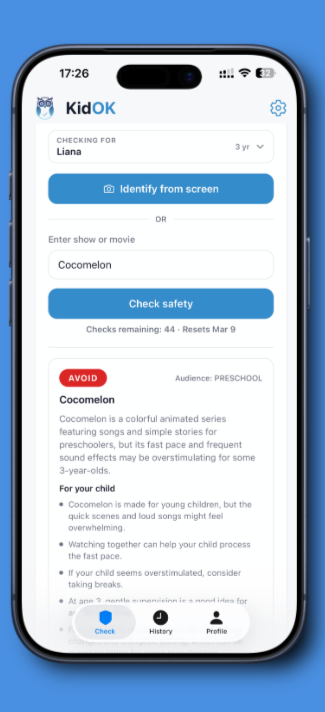
A supportive closing
There is no perfect screen routine. Some days are calm, and some are chaotic. What matters is noticing how your child responds and choosing content that helps them feel steady. If CoComelon feels like “too much,” you have gentle options. If it works for your child, that is okay too. You are doing your best, and that is enough.
FAQ
It depends on the child. Some toddlers enjoy it without issues, while others feel more wound up afterward. Watch your child’s reactions and adjust if needed.
Short, predictable blocks tend to work best for toddlers. If your child has a hard time transitioning, shorten the session and try a calmer show.
Look for signs like meltdowns when it ends, extra hyperactivity, or difficulty settling afterward. Those signals can mean the pace or sound is too intense.
Prefer slower pacing, softer audio, and simple stories. A quick preview can tell you a lot about how it will feel for your child.
Give a clear end time, use a calm follow-up activity, and keep viewing earlier in the day when possible. Consistency helps.
If you are unsure, check content beforehand using tools like KidOK so you can decide with more confidence.